
Introduction
Glycosylation is a important biochemical task that comes to the attachment of carbohydrates to proteins, forming glycoproteins. This amendment performs a essential position in a range of biological functions, which includes protein steadiness, folding, and cellular interactions. In the context of monoclonal antibodies (mAbs), glycosylation vastly influences their therapeutic efficacy. As researchers delve deeper into glycoengineering—an inventive manner to modifying glycan constructions—there may be growing to be realization of its competencies to advance mAb efficiency.
In this article, we’re going to discover glycosylation and its influence on monoclonal antibodies as a result of finished sections detailing a great number of elements together with glycoproteomics, carbohydrate-protein interactions, and more. By inspecting how those alterations can spice up the efficacy of mAbs, we goal to supply a thorough figuring out for each researchers and practitioners interested in biotherapeutics.
Glycosylation and Its Role in Protein Functionality
What is Glycosylation?
Glycosylation refers to the enzymatic task that attaches glycans—sugar molecules—to proteins or lipids. This post-translational amendment can appear in quite a number bureaucracy, including N-linked and O-associated glycosylation. It serves not handiest to stabilize proteins however additionally impacts their purpose, localization, and interplay with different biomolecules.
Types of Glycosylation
Importance of Glycosylation
The presence and architecture of glycans can dictate varying properties of proteins:
- Stability: Proper glycan systems can escalate protein steadiness beneath physiological conditions.
- Solubility: Glycans pretty much fortify protein solubility by way of proposing hydrophilic surfaces.
- Cellular Interactions: Glycans facilitate remarkable interactions among cells and their environment using receptors.
Monoclonal Antibodies: Structure and Function
Definition of Monoclonal Antibodies
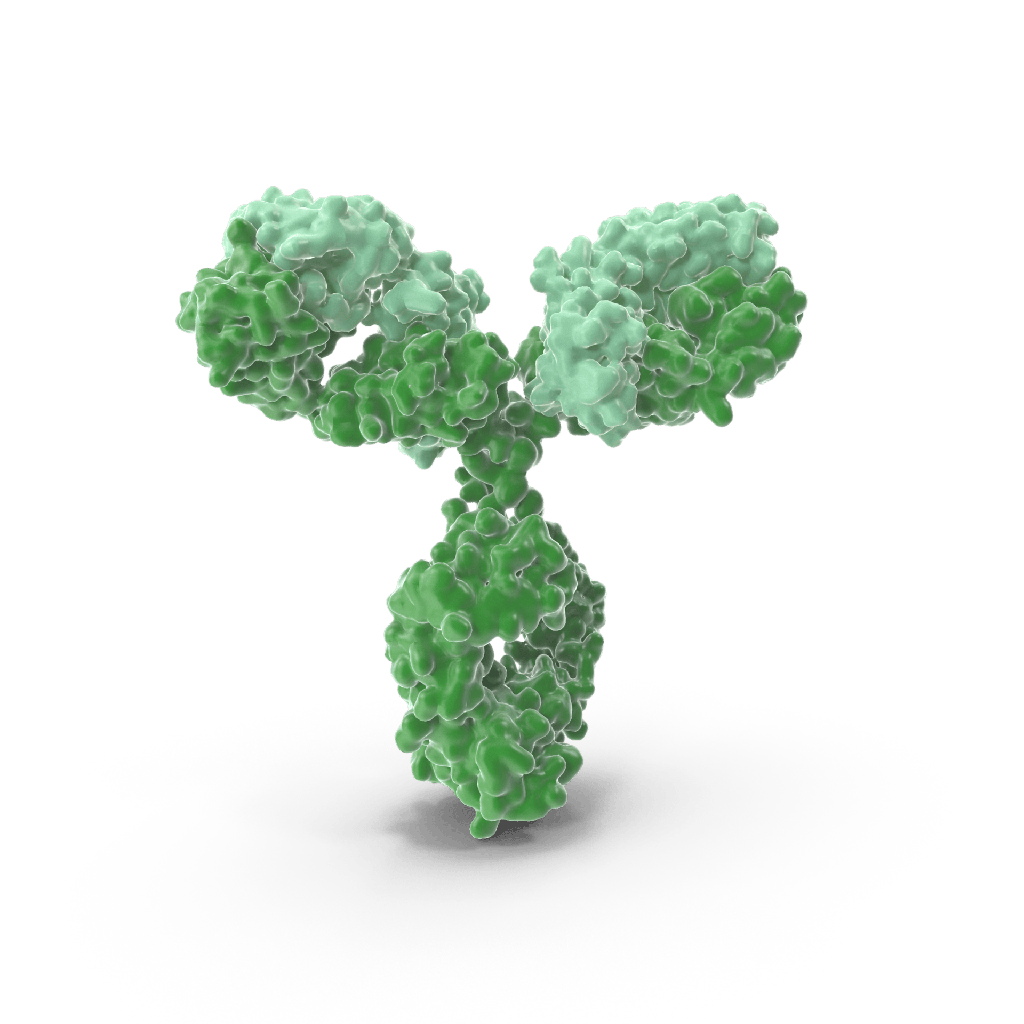
Monoclonal antibodies are identical copies derived from a unmarried a dead ringer for immune cells. They are designed to target targeted antigens located on pathogens or diseased cells.
Structure of Monoclonal Antibodies
MAbs consist frequently of two foremost ingredients:
- Fab Region: The variable area that binds specifically to an antigen.
- Fc Region: The constant zone chargeable for mediating effector applications like antibody-dependent cellular cytotoxicity (ADCC).
Application Areas for Monoclonal Antibodies
Monoclonal antibodies play gigantic roles across multiple fields:
- Therapeutic Applications: Used in treating diseases like melanoma by focused on tumor-associated antigens.
- Diagnostic Tools: Employed in assays corresponding to ELISA for detecting one of a kind antigens.
Glycosylation Profiles in Monoclonal Antibodies
Importance of Glycan Structures
The glycan profiles hooked up to mAbs can drastically effect their pharmacokinetics (PK) and pharmacodynamics (PD).
Key Factors Influenced by Glycans:
Techniques for Analyzing Glycan Profiles
Analyzing glycan structures is paramount for wisdom their affect on mAb capability:
- Mass Spectrometry for Glycans: Provides specified compositional prognosis.
- Glycan Mapping Techniques: Enables identity and characterization of complicated glycan buildings.
Glycoengineering Approaches for Enhanced Efficacy
What is Glycoengineering?
Glycoengineering is the distinct alteration or design of glycan platforms on healing proteins to optimize their residences. This progressive mindset harnesses biochemical engineering thoughts to create ‘next-era’ biologics with enhanced functionalities.
Strategies for Glycoengineering
Examples:
- Adjusting sialic acid content material can lead to more advantageous anti-inflammatory properties.
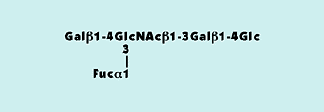
- Altering fucosylation patterns complements ADCC interest in opposition to aim cells.
Carbohydrate–Protein Interactions
Understanding Interactions Between Carbohydrates and Proteins
Carbohydrate-protein interactions are valuable to many organic procedures adding cell phone signaling, immune reaction modulation, and pathogen consciousness.
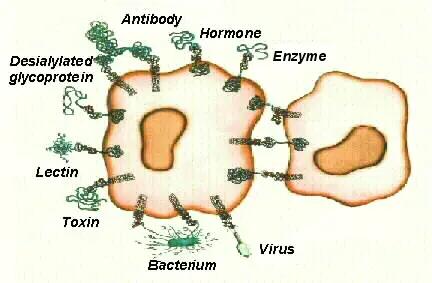
Mechanisms Involved:
Applications in Therapeutic Development
Role of Glycobiology-Based Vaccines
Recent advancements have showcased how engineered glycoconjugates type the basis for resourceful vaccine designs focused on infectious ailments because of more advantageous immunogenicity.
Therapeutic Glycoproteins
Many healing marketers now leverage engineered glycans for stronger stability and efficacy; exceptional examples encompass:
- Hormones like erythropoietin which require actual glycan systems for recreation.
FAQs about Glycosylation in Monoclonal Antibodies
- By changing specified carbohydrate systems due to genetic or enzymatic systems, researchers can raise therapeutic outcomes resembling larger ADCC hobby or lengthy move time.
- Yes, optimized glycan profiles can cause bigger medical effect through editing drug effectiveness although minimizing unfavorable reactions with the aid of diminished immunogenicity.
- Understanding those interactions enables establish novel objectives inside illness pathways at the same time informing design techniques that boost specificity closer to preferred cellular pathways.
Conclusion
Understanding glycosylation offers helpful insights into optimizing monoclonal antibodies by way of glycoengineering. By manipulating glycan profiles, researchers can tailor mAbs for expanded efficacy although minimizing aspect effortlessly linked to their use as therapeutics. As we maintain exploring glycoproteomics and glycomics, it will become clear that gaining knowledge of these adjustments supplies promising avenues closer to editing cutting-edge biopharmaceutical practices.
This article captures the intricate main points surrounding “Glycosylation and Its Impact on Monoclonal Antibodies” when preserving a pro tone accurate for an professional audience fascinated about advancing data within this central container of examine.