
Introduction
Glycosylation is an main post-translational amendment that radically influences protein objective, balance, and interaction with other biomolecules. The complicated nature of glycosylation profiles provides complexity to the study of glycoproteomics, notably inside the contexts of drug growth and bioconjugation. Mass spectrometry (MS) has emerged as a valuable software for interpreting these glycosylation styles, imparting researchers with insights that were before inconceivable.
In this text, we delve into the nuances of glycosylation profiling riding mass spectrometry, interpreting its implications for bioconjugation and drug trend. We will explore more than a few sides comparable to glycan mapping, glycoengineering, monoclonal antibodies, and healing glycoproteins. By the cease of this exploration, you can still recognise why examining glycosylation profiles with mass spectrometry is taken into consideration a recreation changer in these fields.
Understanding Glycosylation
What is Glycosylation?
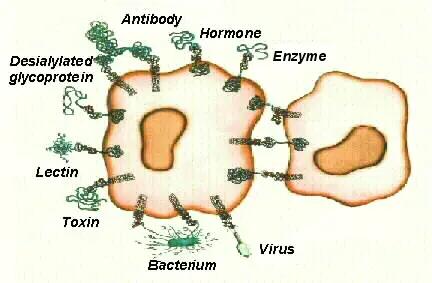
Glycosylation refers back to the enzymatic technique by way of which carbohydrates (glycans) are covalently hooked up to proteins or lipids. This modification plays a relevant role in cellular services consisting of mobile signaling, immune reaction, and protein folding.
Types of Glycosylation
Why is Glycosylation Important?
The presence and layout of glycans can have an effect on protein conformation, organic process, or even immunogenicity. Understanding those buildings is crucial for developing valuable therapeutics.
Analyzing Glycosylation Profiles with Mass Spectrometry: A Game Changer in Bioconjugation and Drug Development
Mass spectrometry permits for high-selection evaluation of glycan systems attached to proteins. This science facilitates researchers to come to a decision now not simply the presence of glycans yet additionally their particular arrangements—facts necessary for both understanding illness mechanisms and designing specific healing procedures.
How Does Mass Spectrometry Work?
Mass spectrometry operates via ionizing chemical species and sorting them depending on their mass-to-charge ratio (m/z). In the context of glycoproteomics:
Benefits of Using Mass Spectrometry for Glycan Profiling
- Sensitivity: Capable of detecting low-abundance glycans.
- Specificity: Provides distinct structural assistance approximately distinct glycoforms.
- Speed: Rapid prognosis in comparison to standard techniques.
The Role of Mass Spectrometry in Glycoproteomics
Defining Glycoproteomics
Glycoproteomics combines proteomics—finding out proteins—and glycobiology—the analyze of carbohydrates—to grant a comprehensive view of all glycopeptides present in a given sample.
Techniques Used in Glycoproteomic Analysis
Applications in Drug Development
Therapeutic Protein Engineering
Mass spectrometry helps the layout of glycoengineered biologics by means of permitting scientists to govern glycan constructions deliberately all the way through protein synthesis.
Examples incorporate:
- Antibody-drug conjugates
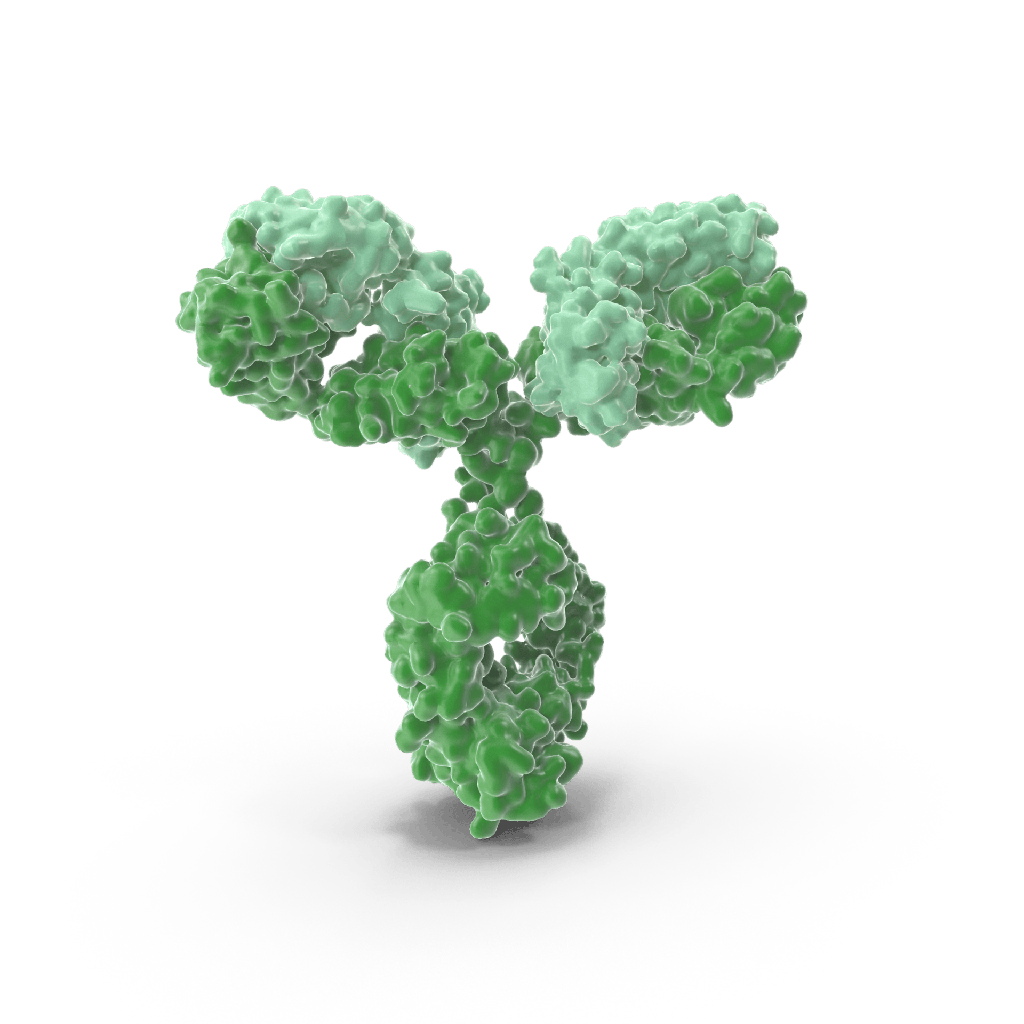
- Enhanced monoclonal antibodies
Glycan-Based Therapeutics
Understanding glycan platforms can end in new healing processes concentrated on exclusive sicknesses with the aid of carbohydrate antigens that elicit immune responses.
Bioconjugation Techniques Enhanced through Mass Spectrometry
What is Bioconjugation?
Bioconjugation refers to the approach in which biomolecules are covalently associated collectively—primarily proteins with medications or imaging retailers—to develop therapeutic efficacy or monitoring abilties.
Types of Bioconjugates Analyzed simply by Mass Spectrometry
Challenges Faced in Analyzing Glycosylation Profiles
Despite its advantages, a few demanding situations remain when reading glycosylation profiles:
FAQ Section
1. What does mass spectrometry recognize related to glycans?
Mass spectrometry Learn here identifies either the presence and shape of glycans connected to proteins, supplying insights into their purposeful roles.
2. How does mass spectrometry give a contribution to drug building?
It delivers relevant info about glycan systems that impression drug efficacy, balance, and immunogenicity—indispensable motives whilst developing new therapeutics.

3. What is the importance of N-linked vs O-linked glycosylation?
N-linked glycans typically play roles in protein folding and balance even as O-connected glycans in most cases outcome cellular signaling pathways; information equally kinds facilitates elucidate protein serve as properly.
4. Can mass spectrometry differentiate between equivalent glycans?
Yes, complicated MS programs can distinguish among closely connected glycan platforms headquartered on their special mass-to-payment ratios.
five. Why are glycoengineering innovations valuable?
They permit researchers to modify glycan buildings intentionally on therapeutic proteins enhancing their effectiveness or lowering facet effects.
6. How does lectin affinity chromatography relate to mass spectrometry?
Lectin affinity chromatography isolates actual glycoproteins based mostly on sugar-binding residences sooner than they go through mass spectrometric evaluation for certain profiling.
Conclusion
Analyzing glycosylation profiles with mass spectrometry represents a pivotal advancement in bioconjugation suggestions and drug development approaches via presenting real structural insights into challenging carbohydrate changes on proteins. As our understanding deepens by means of continual learn efforts applying those stepped forward methodologies, we may just unveil novel healing applicants more desirable tailored for express illness pursuits—finally enhancing patient result simply by smarter design decisions grounded in strong clinical standards surrounding glycobiology.
This article bargains an extensive examination into how inspecting glycosylation profiles riding mass spectrometry has converted processes within bioconjugate technology and pharmaceutical innovation procedures alike!