
Introduction
Glycosylation is an integral publish-translational modification that greatly affects protein characteristic, steadiness, and interplay with other biomolecules. The problematic nature of glycosylation profiles provides complexity to the observe of glycoproteomics, pretty within the contexts of drug improvement and bioconjugation. Mass spectrometry (MS) has emerged as a highly effective instrument for examining these glycosylation patterns, featuring researchers with insights that had been earlier unattainable.
In this article, we delve into the nuances of glycosylation profiling applying mass spectrometry, reading its implications for bioconjugation and drug progress. We will discover countless sides inclusive of glycan mapping, glycoengineering, monoclonal antibodies, and therapeutic glycoproteins. By the give up of Elisa this exploration, it is easy to recognise why inspecting glycosylation profiles with mass spectrometry is even handed a recreation changer in these fields.
Understanding Glycosylation
What is Glycosylation?
Glycosylation refers back to the enzymatic job by way of which carbohydrates (glycans) are covalently hooked up to proteins or lipids. This change performs a considered necessary role in cell features which include telephone signaling, immune response, and protein folding.
Types of Glycosylation
Why is Glycosylation Important?
The presence and structure of glycans can effect protein conformation, organic hobby, or even immunogenicity. Understanding these structures is significant for creating potent therapeutics.
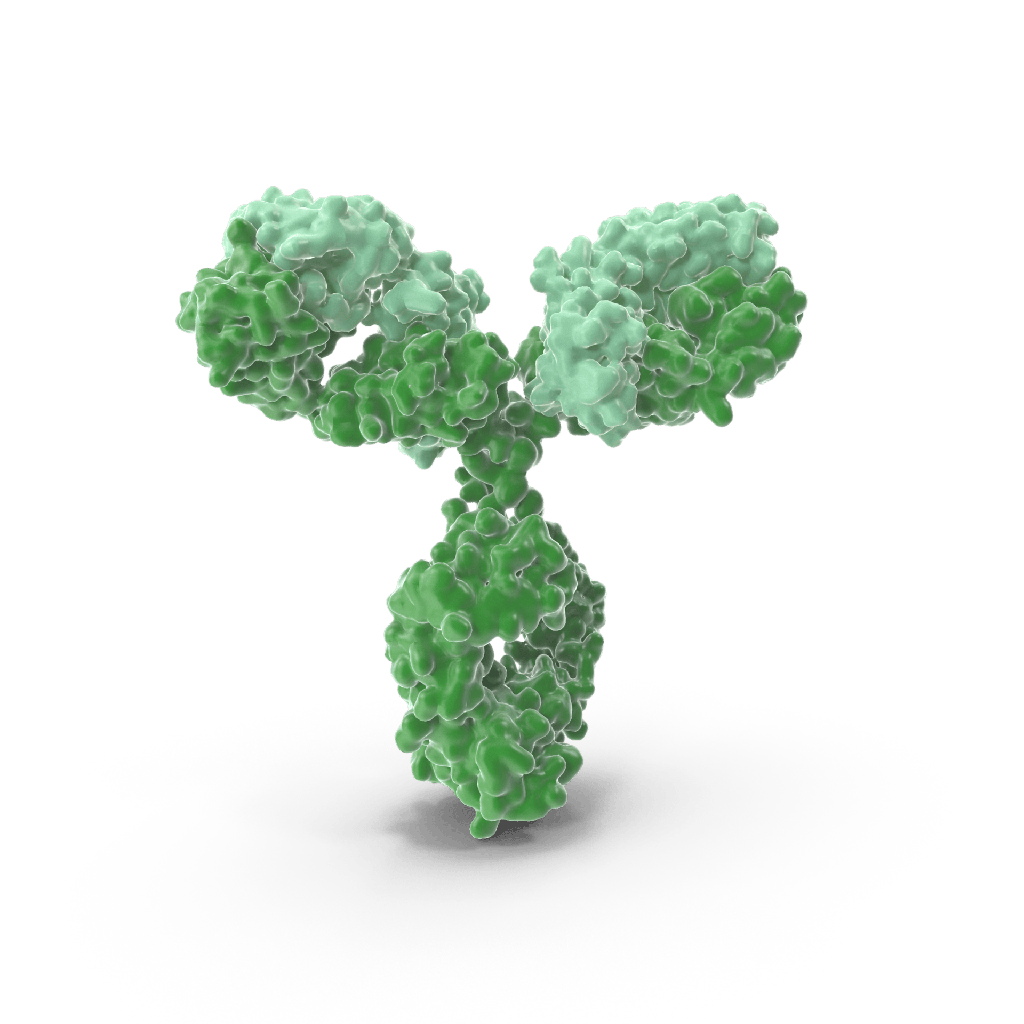
Analyzing Glycosylation Profiles with Mass Spectrometry: A Game Changer in Bioconjugation and Drug Development
Mass spectrometry makes it possible for for prime-determination research of glycan structures attached to proteins. This technological know-how makes it possible for researchers to decide now not just the presence of glycans but additionally their selected preparations—recordsdata very important for either expertise infirmity mechanisms and designing centered healing procedures.
How Does Mass Spectrometry Work?
Mass spectrometry operates with the aid of ionizing chemical species and sorting them stylish on their mass-to-fee ratio (m/z). In the context of glycoproteomics:
Benefits of Using Mass Spectrometry for Glycan Profiling
- Sensitivity: Capable of detecting low-abundance glycans.
- Specificity: Provides targeted structural assistance approximately wonderful glycoforms.
- Speed: Rapid evaluation when compared to standard techniques.
The Role of Mass Spectrometry in Glycoproteomics
Defining Glycoproteomics
Glycoproteomics combines proteomics—discovering proteins—and glycobiology—the read of carbohydrates—to give a comprehensive view of all glycopeptides found in a given sample.
Techniques Used in Glycoproteomic Analysis
Applications in Drug Development
Therapeutic Protein Engineering
Mass spectrometry allows the design of glycoengineered biologics via enabling scientists to govern glycan structures deliberately throughout the time of protein synthesis.
Examples contain:
- Antibody-drug conjugates
- Enhanced monoclonal antibodies
Glycan-Based Therapeutics
Understanding glycan platforms can lead to new healing procedures focused on extraordinary ailments because of carbohydrate antigens that elicit immune responses.
Bioconjugation Techniques Enhanced by means of Mass Spectrometry
What is Bioconjugation?
Bioconjugation refers back to the system the place biomolecules are covalently linked together—quite often proteins with medicines or imaging marketers—to expand therapeutic efficacy or tracking advantage.
Types of Bioconjugates Analyzed by way of Mass Spectrometry
Challenges Faced in Analyzing Glycosylation Profiles
Despite its blessings, numerous demanding situations continue to be when inspecting glycosylation profiles:
FAQ Section
1. What does mass spectrometry become aware of relating to glycans?
Mass spectrometry identifies either the presence and format of glycans connected to proteins, supplying insights into their useful roles.
2. How does mass spectrometry make contributions to drug improvement?
It gives you important awareness approximately glycan buildings that have an impact on drug efficacy, steadiness, and immunogenicity—a must-have explanations whilst establishing new therapeutics.
three. What is the importance of N-associated vs O-linked glycosylation?
N-linked glycans more often than not play roles in protein folding and stability at the same time O-linked glycans regularly outcomes mobilephone signaling pathways; awareness both sorts is helping elucidate protein objective successfully.
4. Can mass spectrometry differentiate between comparable glycans?
Yes, evolved MS procedures can distinguish among closely appropriate glycan platforms primarily based on their wonderful mass-to-charge ratios.
5. Why are glycoengineering techniques impressive?
They let researchers to modify glycan platforms deliberately on healing proteins editing their effectiveness or lowering part results.
6. How does lectin affinity chromatography relate to mass spectrometry?
Lectin affinity chromatography isolates exact glycoproteins based totally on sugar-binding homes earlier than they go through mass spectrometric analysis for certain profiling.
Conclusion
Analyzing glycosylation profiles with mass spectrometry represents a pivotal development in bioconjugation methods and drug pattern strategies via proposing appropriate structural insights into problematic carbohydrate differences on proteins. As our realizing deepens simply by power lookup efforts employing those advanced methodologies, we may perhaps unveil novel healing candidates improved tailor-made for distinct disorder objectives—indirectly getting better patient consequences with the aid of smarter layout possible choices grounded in strong scientific concepts surrounding glycobiology.
This article deals an intensive examination into how reading glycosylation profiles by way of mass spectrometry has converted processes inside of bioconjugate technology and pharmaceutical innovation approaches alike!